
By the CHC Remodel team in Kirkland, WA · Last updated: October 26, 2026
Good design is only half of a smooth remodel. The other half is planning: knowing which permits you need, what order the work happens in, and what can slow it down. This checklist walks you through it, step by step, using Seattle’s own permit rules.
Quick answer: Most remodels in Seattle need a permit. Small repairs and changes that cost $6,000 or less in any 6-month period are usually exempt. Work on load-bearing walls, the outside shell of the house, exits, light, ventilation or fire safety always needs a permit, however small it is. Small projects may qualify for a faster permit called an STFI permit, which takes a few days to screen. An STFI permit is valid for 18 months. Plan your remodel in seven steps: goals and budget, contractor, design, permits, schedule, construction, and final inspection.
Your 7-step Seattle remodeling checklist
Step 1: Set your goals and budget
- Separate needs from wants. List what must change, such as a leaking shower or not enough counter space. Then list what would be nice to have.
- Set a realistic budget range. Decide what you can spend, and keep 10–15% extra for surprises.
For price ranges, see our kitchen remodel cost guide and our bathroom remodel cost guide.
Step 2: Talk to a professional contractor
- Work with a registered, insured contractor who knows Seattle’s rules.
- Book a consultation. Walk through your ideas, your home and any limits, like structure, plumbing or budget.

Before you sign anything, use our contractor due-diligence checklist to check registration, insurance and bids.
Step 3: Design and plan
- Pick the layout, materials and finishes.
- Order long-lead items early. Custom cabinets, windows and some appliances can take weeks or months to arrive. See how long custom kitchen cabinets usually take.
- Lock in the plan before construction starts. Changes later cost more and add time.

Step 4: Get the right permits
Many Seattle remodels need permits for electrical, plumbing and structural work. See the full permit guide below. A good contractor prepares the application and handles the city’s questions and revisions.
Step 5: Agree on a written schedule
- Get a written schedule from your contractor that shows the main stages.
- Expect some flexibility. Inspections, weather and delivery dates can move things by days or weeks.
For typical durations, see our remodel timeline guide.
Step 6: Construction
Work usually follows this order:
- Site protection and demolition
- Framing and structural work
- Rough plumbing and electrical, with inspections before the walls are closed
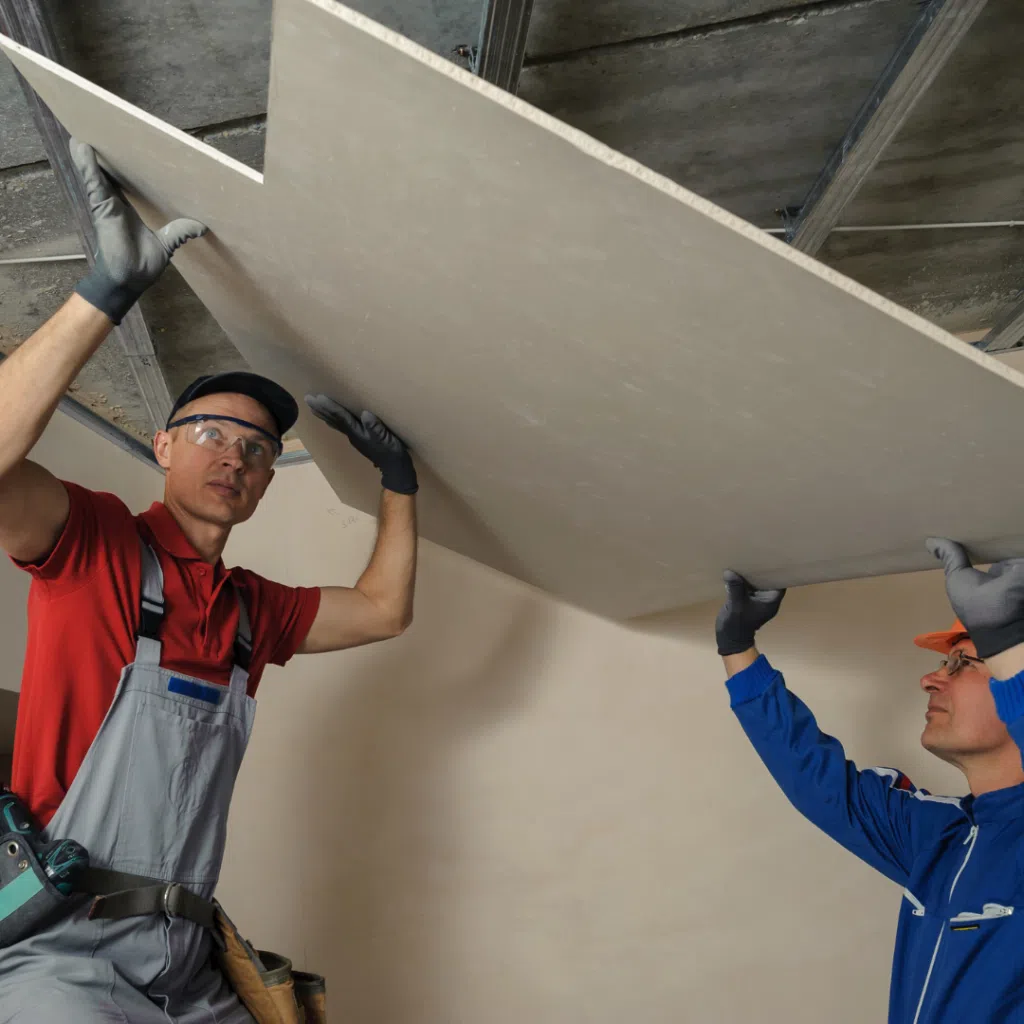
- Insulation and drywall
- Finishes: cabinets, counters, tile, flooring, fixtures and paint
Your contractor should keep you updated at each milestone.
Step 7: Final inspection and walkthrough
- The final inspection confirms the work meets code.
- The walkthrough is where you and your contractor check every detail together.
- The punch list is a short list of small fixes. It should be finished before the project is closed out.
Do you need a permit to remodel in Seattle?
Seattle’s Department of Construction and Inspections (SDCI) says most projects need a permit (SDCI).
Work that usually doesn’t need a permit
- Minor repairs or changes costing $6,000 or less in any 6-month period, counting labor and parts at fair market value, even if you do the work yourself
- Painting
- Installing kitchen cabinets
- Paneling or other surface finishes over existing walls and ceilings
- Adding insulation to an existing home
- Fences under 8 feet tall (with limits on concrete or masonry parts above 6 feet)
- Like-for-like repair of worn-out parts
Work that always needs a permit, even small jobs
- Work on load-bearing walls, beams or posts
- Changes to the building envelope (the outside shell, such as new window or door openings)
- Anything that reduces exits, natural light, ventilation or fire resistance
Exemptions don’t apply in environmentally critical areas, such as steep slopes or wetlands.
Electrical and plumbing permits
Moving or adding wiring, outlets, drains or water lines usually needs its own permit. In Seattle, the city issues its own electrical permits and inspections, not Washington L&I (L&I). Swapping a light fixture into an existing box is usually treated differently from running new wiring, so ask your contractor.
What is an STFI permit?
An STFI (Subject-to-Field-Inspection) permit is a simpler construction permit for small projects. An inspector checks the work on site instead of the city doing a full plan review (SDCI).
- Projects that may qualify: remodeling part of a house, a small single-story addition, or a detached garage.
- Projects that don’t qualify: projects that disturb more than 750 square feet of land, many projects in environmentally critical areas, and projects that need a soil (geotechnical) report.
- How long it takes: you apply online through the Seattle Services Portal, and screening takes a few days.
- How long it lasts: 18 months from the issue date.
Larger remodels and additions need a full construction permit with plan review, which takes longer. SDCI explains this on its house additions and remodels page.
What can slow down a Seattle remodel
- Permit review. Larger projects with full plan review take longer than STFI permits.
- Inspections. Work can’t go to the next stage until each inspection passes.
- Weather. Rain can delay roofing, siding and other outdoor work.
- Lead times. Late-arriving cabinets, windows or fixtures hold up the next trade.
- Changes mid-project. Each change can mean new pricing, new orders and sometimes a permit revision.
How CHC Remodel helps
CHC Remodel is a Kirkland-based remodeling company working across Seattle and the Eastside. We review which permits apply during planning, prepare and submit applications, and handle revisions with the city. Then we keep you informed at each milestone, from demolition to the final walkthrough. See our full remodeling process, our Seattle remodeling page, or read what homeowners say in our Google reviews.
Frequently asked questions
Do I need a permit to remodel my kitchen in Seattle?
If you’re only replacing cabinets and finishes, often not. Installing kitchen cabinets is exempt. If you move plumbing, add circuits, remove a wall, or the work costs more than $6,000, plan on permits.
What is the $6,000 rule in Seattle?
Minor repairs and changes that cost $6,000 or less in any 6-month period usually don’t need a permit. The cost counts labor and parts, even if you do it yourself. Structural, envelope and safety-related work still needs a permit.
How long does a Seattle STFI permit take?
SDCI says the application and screening take a few days. Larger projects that need full plan review take longer.
How long is a Seattle building permit valid?
An STFI permit is valid for 18 months after it’s issued. Longer projects need a renewal.
Who gets the permit, me or my contractor?
Most homeowners have their contractor handle it. Whoever applies, make sure your contract says who is responsible.
What happens if I remodel without a permit?
Unpermitted work can cause problems with inspections, insurance claims and selling your home later. You may have to open walls so the work can be inspected.
Plan your Seattle remodel
Want help planning permits and a realistic schedule? Call CHC Remodel at (425) 448-6680 or contact us.
CHC Remodel · Contemporary Home Construction, LLC · 11335 NE 122nd Way Suite 105, Kirkland, WA 98034 · WA registration CONTEHC837KA
Verified Credentials
WA L&I registration
CONTEHC837KA
★★★★★ 80+ five-star Google reviews
250+ reviews across other directories
Contemporary Home Construction, LLC (CHC Remodel). Look us up with the same free state tool this checklist recommends.
Planning a Remodel?
Tell us about your project and we will walk through scope, structure and next steps.