Seattle Homeowner Construction Guide
Residential vs. Commercial Construction in Seattle
Understand the differences in Seattle codes, permits, building systems, project teams, and contractor experience before choosing who should work on your home.
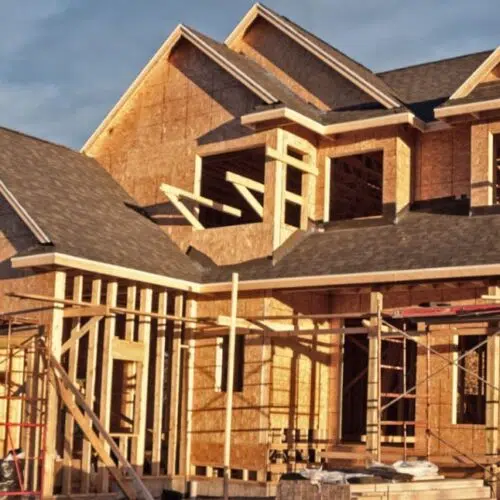
Residential and commercial construction share core disciplines, but Seattle homeowners should understand how codes, permits, project teams, building systems, and contractor experience can differ.
The decision that matters
Do not choose a contractor because “commercial” sounds larger or more advanced. Choose verified qualifications and repeated experience with the type, scale, code path, and finish expectations of your actual project.
Quick Answer: What Is the Difference Between Residential and Commercial Construction?
For a Seattle homeowner, the most important difference is not simply building size. Residential and commercial construction can differ in:
- which building code applies;
- how the building is classified and used;
- permit documentation;
- fire and life-safety requirements;
- accessibility requirements;
- energy-code provisions;
- building systems;
- design-team requirements;
- project management and stakeholders;
- construction logistics;
- materials and structural systems;
- inspection and occupancy requirements.
Seattle currently applies the Seattle Residential Code to qualifying single-family houses, duplexes and townhouses of no more than three stories with separate entrances. Other buildings generally fall under the Seattle Building Code, while alterations to many existing non-residential or larger buildings are governed by the Seattle Existing Building Code. (Seattle.gov) For homeowners, the practical lesson is simple:
Do not hire based on whether a contractor sounds “commercial,” “large,” or “high-end.” Hire based on verified qualifications and experience with the type of project you are actually building.
Residential vs. Commercial Construction at a Glance
| Issue | Typical Residential Home Project | Typical Commercial Project |
|---|---|---|
| Primary purpose | Private living | Business, institutional or public-facing use |
| Seattle code path | Often Seattle Residential Code | Often Seattle Building / Existing Building Code |
| Decision makers | Homeowner / household | Owner, tenant, developer, investors, facility team |
| Design priority | Lifestyle + function | Operations + occupancy + business requirements |
| Accessibility | Project-specific residential requirements | Often broader accessibility considerations |
| Fire/life safety | Residential-code requirements | Occupancy-driven commercial requirements |
| Building systems | Usually smaller scale | Often larger and more specialized |
| Structural system | Often light-frame | Highly project-dependent |
| Documentation | Can be comparatively streamlined | Often more extensive |
| Professional team | Scope-dependent | Often larger multidisciplinary team |
| Change decisions | Usually homeowner-led | Often multi-stakeholder |
| Completion | Final approval | May involve occupancy-related approvals |
These are general project tendencies—not universal rules.
1. First: “Residential” and “Commercial” Are Not as Simple as They Sound
Most homeowners naturally think: house = residentialoffice/store = commercial That is a useful starting point. But code terminology is more precise. Seattle’s current Residential Code applies to:
- single-family houses;
- duplexes;
- qualifying townhouses;
- no more than three stories;
- with separate entrances under the applicable residential-code definition. (Seattle.gov)
Seattle states that requirements for other buildings are found in the Seattle Building Code and Seattle Existing Building Code. (Seattle.gov)
Why Homeowners Should Care
Because the name people use for a building does not always tell you:
- which code applies;
- which permit checklist applies;
- which professional documentation may be required;
- which inspections may be involved.
2. A Residential Use Can Still Fall Outside the Residential Code
This is one of the biggest oversimplifications in generic construction articles. An apartment building contains residences. But that does not mean it follows the same construction-code pathway as a detached house. Seattle’s Energy Code illustrates the distinction clearly. The City currently directs projects to use residential-building energy provisions for:
- single-family homes;
- duplexes;
- townhouses;
- certain low-rise multifamily buildings with dwelling units accessed directly from exterior walkways.
Commercial-building energy provisions apply to:
- non-residential buildings;
- multifamily buildings four stories and higher;
- certain lower-rise multifamily buildings with interior corridors. (Seattle.gov)
Important Principle
“Residential use” and “Seattle Residential Code project” are not always identical concepts. That is why project classification should be determined from the actual building and scope—not from a blog label.
3. The Purpose of the Building Changes the Design Priorities
A private home is primarily designed around the lives of a household. Typical questions include:
- How does the kitchen connect to family space?
- Where should storage go?
- How private should bedrooms be?
- How does the home connect to the backyard?
- Can the layout adapt as the family changes?
- How much natural light is desirable?
Commercial buildings often need to accommodate different priorities. Examples can include:
- customer circulation;
- employees;
- public access;
- merchandise;
- equipment;
- business operations;
- higher occupant loads;
- delivery routes;
- specialized systems.
Homeowner Insight
A contractor experienced in optimizing a retail floor for customers is not automatically better at creating an intuitive kitchen for a family. The expertise overlaps. The priorities do not always.
4. Residential Construction Is Highly Personal
Commercial construction often has measurable operational requirements. For example:
- number of employees;
- equipment footprint;
- storage capacity;
- customer circulation;
- production needs.
Residential construction has another layer: personal behavior. A successful home remodel needs to understand:
- how the household cooks;
- when people leave for work;
- where children do homework;
- where shoes accumulate;
- whether two people use the bathroom simultaneously;
- where guests enter;
- how the family uses outdoor space.
Residential Planning Principle
A home is not merely a smaller commercial building. It is a building organized around a household.
5. Seattle Uses Different Building-Code Frameworks
For qualifying homes, Seattle uses the Seattle Residential Code, based on the 2021 International Residential Code with Seattle amendments. (Seattle.gov) For other new buildings, Seattle uses the Seattle Building Code, based on the 2021 International Building Code with Seattle amendments. (Seattle.gov) For many repairs, alterations, additions and changes of occupancy to existing buildings outside the Residential Code’s scope, Seattle uses the Seattle Existing Building Code. (Seattle.gov) Seattle’s current construction-code cycle remains based on the 2021 model codes; the City says the 2024 Seattle construction codes are scheduled to become available later in the next adoption cycle. (Seattle.gov)
Why This Matters
The correct question is not:
“Which code is harder?”
Ask:
“Which code applies to this building and this scope?”
6. Commercial Does Not Simply Mean “Stricter Everything”
Many generic construction articles say:
“Commercial codes are stricter.”
That is too vague. Commercial and residential projects are designed around different:
- occupancy conditions;
- building configurations;
- risk profiles;
- uses;
- heights;
- areas;
- construction types.
Commercial projects may involve broader considerations involving:
- occupant loads;
- exits;
- accessibility;
- fire protection;
- structural systems;
- changes of occupancy.
Seattle specifically notes that use and occupancy questions for existing buildings can depend on construction type, exiting, fire-protection construction and sprinkler conditions. (Seattle.gov)
Better Explanation
The requirements are different because the buildings are being used differently.
7. Fire and Life-Safety Planning Can Become Much More Prominent
A private house has fire-safety requirements. So does a commercial building. But commercial and larger-building projects can involve systems and concepts homeowners may rarely encounter, including:
- occupant-load analysis;
- multiple exit routes;
- sprinkler systems;
- alarm systems;
- standpipes;
- phased occupancy;
- other specialized life-safety systems.
Seattle’s current Fire Code is based on the 2021 International Fire Code with Seattle amendments, and Seattle Fire Department maintains specific rules for systems such as sprinklers, standpipes and fire/life-safety equipment. (Seattle.gov)
Important
This does not mean every commercial remodel automatically needs every system listed above. Requirements depend on:
- occupancy;
- building;
- existing conditions;
- project scope.
8. Accessibility Can Play a Different Role
Homeowners often hear “commercial project” and immediately think:
“ADA.”
Accessibility is indeed a major consideration in many public-facing and commercial projects. But accessibility requirements are more nuanced than simply: commercial = ADA and residential = no accessibility Seattle’s Existing Building Code contains accessibility requirements for applicable existing-building projects, and Seattle notes that new-business improvements may trigger accessibility work depending on project scope and value. (Seattle.gov) Residential projects can also deliberately incorporate:
- curbless showers;
- wider circulation;
- accessible entries;
- main-floor living;
- blocking for future grab bars;
- easier-to-operate controls.
Homeowner Lesson
Commercial accessibility compliance and residential universal design are related ideas—but they are not the same planning problem.
9. Materials Are Not What Define Residential vs. Commercial Construction
This is another common online oversimplification. You may read:
residential = wood
commercial = steel and concrete
That can sometimes describe common patterns. It is not a reliable classification rule. A residential project can include:
- structural steel;
- reinforced concrete;
- engineered wood;
- masonry.
A commercial building can also use:
- wood framing;
- engineered timber;
- other lighter structural systems where allowed.
Better Principle
Use, building configuration, code classification and structural design determine the project—not whether you see wood or steel.
10. A Seattle Home Remodel Can Still Be Structurally Complex
Residential does not mean easy. A single-family remodel may involve:
- removing load-bearing walls;
- foundation work;
- seismic considerations;
- new beams;
- second-story additions;
- major openings;
- excavation;
- retaining conditions;
- complicated drainage;
- environmentally critical areas.
Seattle requires permits for structural alterations and additions, and larger or complicated residential projects may follow regular building-permit review rather than simplified pathways. (Citylink)
Important Distinction
Residential vs. commercial and simple vs. complex are separate questions. A complex residential addition can require more planning than a small commercial finish update.
11. A Small Commercial Tenant Improvement Can Be Comparatively Simple
The reverse is also true. Imagine an existing office where the scope is mostly:
- moving nonstructural partitions;
- updating finishes;
- modifying a small number of systems.
That project is commercial. But it may be less structurally complicated than adding an entire second floor to a house. Seattle even provides streamlined permit paths for certain office tenant improvements, including qualifying blanket permits and subject-to-field-inspection options. (Seattle.gov)
Complexity Principle
Do not assume:
commercial = always complicated
and
residential = always simple
Scope matters.
12. Permitting Is Different—but Both Categories Require Planning
Seattle requires construction permits for many additions and alterations whether the building is:
- single-family;
- multifamily;
- commercial;
- industrial. (Citylink)
The application standards then differ based on project type. Seattle maintains distinct permit documentation for:
- single-family additions/alterations;
- new single-family/duplex projects;
- small and large multifamily projects;
- new commercial projects;
- commercial tenant improvements. (Seattle.gov)
Homeowner Lesson
A contractor saying:
“We’ve pulled lots of commercial permits.”
does not automatically establish experience navigating your particular residential addition. Relevant permit experience matters more than generic permit volume.
13. Residential Permit Work Should Still Be Taken Seriously
Do not interpret “residential” as:
“Permits don’t matter as much.”
Seattle states that most projects require permits, with certain limited exemptions. Work involving load-bearing supports, the building envelope, or reductions to egress, light, ventilation or fire resistance can require permits regardless of project value. (IT Service Hub) For homeowners, this may affect:
- additions;
- structural remodeling;
- new openings;
- decks;
- garage conversions;
- major interior alterations;
- plumbing;
- electrical;
- mechanical systems.
Better Question
What permits does this exact residential project require?
Not:
“Residential work is easier, right?”
14. Commercial Projects Can Add “Use” and Occupancy Questions
One difference homeowners may not encounter often is establishing or changing building use. Seattle gives examples such as changing:
- office → retail;
- bank → restaurant.
Changes like this can affect:
- zoning;
- occupancy;
- exits;
- fire protection;
- accessibility;
- energy;
- other building requirements. (Seattle.gov)
Seattle states that a construction permit is needed to establish or change a property’s or building’s use, even in some situations where physical remodeling is limited. (Seattle.gov)
Residential Difference
A homeowner replacing a kitchen with another kitchen typically is not managing the same type of business-use transition.
15. Commercial Renovation Often Has More Stakeholders
A residential remodel may involve: homeowner → designer → general contractor → trade subcontractors A commercial project can involve: property owner → tenant → architect → engineers → general contractor → facility team → property manager → multiple specialty contractors → business operations team That affects how decisions are:
- documented;
- approved;
- scheduled;
- priced.
Residential Advantage
Homeowners often have much more direct control over decisions.
Residential Challenge
That also means the household may need to make many design decisions personally.
16. Communication Is Different in a Home Remodel
Residential construction happens in someone’s personal space. The project team needs to communicate about things such as:
- when water will be shut off;
- when the kitchen cannot be used;
- where workers enter;
- how pets are managed;
- how dust is controlled;
- whether children can safely access areas;
- when bedrooms or bathrooms become unavailable.
These questions rarely appear on a generic commercial construction comparison chart. But to a homeowner, they can determine the quality of the entire remodeling experience.
CHC Project Insight
For occupied-home projects, communication should cover not only construction progress, but also how the work affects the household from day to day.
17. Commercial Scheduling Often Focuses on Business Operations
Commercial construction can require coordination around:
- customer access;
- employees;
- operating hours;
- deliveries;
- tenant turnover;
- planned openings;
- phased occupancy.
Seattle Fire Department, for example, maintains procedures relating to temporary and phased occupancy for applicable projects. (Seattle.gov) Residential projects have a different operational challenge: keeping a household functioning. The scheduling discipline can overlap. The stakeholder impact differs.
18. Residential Finish Decisions Are Often More Personal
Imagine choosing flooring. A commercial decision might prioritize:
- traffic;
- lifecycle maintenance;
- cleaning;
- slip resistance;
- operating cost.
A homeowner may consider those same factors plus:
- barefoot comfort;
- children;
- pets;
- furniture;
- color;
- personal style;
- long-term emotional preference.
Neither decision is more legitimate. They’re optimized for different users.
19. Homes Often Require More Detailed Lifestyle Customization
A commercial office may need 20 workstations. That is measurable. A kitchen requires questions such as:
- Where does the homeowner prep vegetables?
- Which person cooks?
- Does someone bake regularly?
- Where does the coffee equipment live?
- Should children sit at the island?
- Where do groceries enter?
- Where is recycling stored?
This is why extensive commercial experience does not automatically translate into excellent residential design thinking.
Contractor-Selection Principle
Experience with projects similar to yours matters more than the size of the contractor’s largest project.
20. Commercial Experience Is Not Automatically “Better” Experience
A homeowner may hear:
“They build big commercial projects, so our house will be easy for them.”
That assumption can fail. Commercial experience may demonstrate valuable capabilities such as:
- scheduling;
- coordination;
- documentation;
- safety management;
- trade management.
But residential remodeling demands its own skills:
- protecting occupied spaces;
- working around existing finishes;
- homeowner communication;
- design-detail sensitivity;
- renovation sequencing;
- matching existing construction;
- managing hidden conditions;
- finish craftsmanship.
Better Question
Do not ask:
“What’s the biggest building you’ve constructed?”
Ask:
“Show me projects similar in type, scale and complexity to mine.”
Planning a Seattle residential remodel?
Choose a contractor whose experience matches your home, scope, permitting needs, and finish expectations—not simply the biggest label in the portfolio.
21. Residential Experience Is Not Automatically Enough for Every Commercial Project Either
The same principle works in reverse. A contractor who performs excellent:
- kitchens;
- bathrooms;
- additions;
- whole-home remodeling;
is not automatically prepared to manage:
- restaurant build-outs;
- healthcare facilities;
- large offices;
- warehouses;
- complex mixed-use buildings.
Those environments can involve different:
- codes;
- life-safety systems;
- accessibility;
- operational requirements;
- documentation;
- procurement.
Expertise Principle
Construction skill transfers. Project-specific experience still matters.
22. Washington Does Not Create a Simple “Residential GC vs. Commercial GC” Registration Split
This is an important Washington-specific distinction. Washington L&I requires construction contractors to register and currently uses two broad contractor classifications:
- general contractor
- specialty contractor
General contractors can perform most types of construction work and hire subcontractors across multiple specialties. Specialty contractors are limited to their registered specialty and cannot hire subcontractors outside that framework. Certain regulated trades have additional licensing/certification requirements. (Washington Labor & Industries)
What That Means for Homeowners
Do not assume a company has some special Washington credential simply because its marketing says:
commercial general contractor
The more important verification is:
- active contractor registration;
- bond;
- insurance;
- appropriate trade credentials;
- actual relevant experience.
Washington L&I provides a contractor verification system for precisely that purpose. (Washington Labor & Industries)
23. “Commercial Contractor” Is Often a Market Specialty, Not a Homeowner Quality Grade
This distinction matters enormously for this article. The labels:
- residential contractor;
- commercial contractor;
often describe the company’s project focus. They do not mean: commercial contractor = advanced levelresidential contractor = beginner level A high-end residential remodel can involve:
- structural engineering;
- complex waterproofing;
- custom cabinetry;
- detailed millwork;
- advanced mechanical systems;
- sophisticated lighting;
- expensive finishes.
Homeowner Rule
Judge the contractor on fit for your project, not the prestige you associate with a label.
24. General Contractors and Specialty Contractors Are Different Questions
“Residential vs. commercial” describes the kind of project. “General vs. specialty contractor” describes something different. Washington L&I says a general contractor can perform most types of construction work and hire subcontractors in multiple specialties, while specialty contractors are limited to their registered specialty. (Washington Labor & Industries)
Example
A whole-home remodel may involve:
- framing;
- drywall;
- tile;
- painting;
- roofing;
- cabinetry;
- electrical;
- plumbing.
A general contractor can coordinate multiple specialties. A roofing specialty contractor has a different role. Do not confuse: project category with contractor registration classification.
25. Electrical and Plumbing Still Have Their Own Requirements
Hiring a general contractor does not erase trade-specific requirements. Washington identifies additional licensing/certification requirements for certain fields including:
- electrical;
- plumbing;
- elevators;
- boilers;
- asbestos;
- other regulated work. (Washington Labor & Industries)
Homeowner Question
Ask:
Which portions will your own workforce perform, and which will be performed by appropriately qualified subcontractors?
That is more useful than asking whether the contractor calls itself residential or commercial.
26. Professional Design Requirements Can Differ
Seattle’s current guidance notes that single-family-house drawings subject to the Seattle Residential Code do not automatically require a professional architect or engineer stamp. (Seattle.gov) That does not mean:
“Residential projects never need architects or engineers.”
Structural conditions, project complexity or other requirements can still justify or require professional involvement. For Seattle small-business projects, the City currently states that projects above certain valuation thresholds require construction documents prepared and stamped by a Washington-licensed architect or engineer, with some projects requiring professional stamps regardless of value. (Seattle.gov)
Planning Principle
Use professionals based on:
- code;
- structure;
- risk;
- project complexity;
not simply project prestige.
27. Commercial Buildings Often Have More Specialized Building Systems
Commercial projects can include systems such as:
- larger HVAC equipment;
- building automation;
- fire alarms;
- sprinkler systems;
- emergency systems;
- commercial electrical distribution;
- specialized exhaust;
- commercial kitchens;
- elevators.
A home may have:
- heat pumps;
- electrical service;
- plumbing;
- ventilation;
- smart-home systems;
- EV charging;
- solar;
- hydronic systems.
Key Difference
Commercial systems often need to serve:
- more people;
- longer operating hours;
- specialized business functions.
Residential systems are optimized primarily around household comfort and living patterns.
28. Energy Codes Also Treat Building Categories Differently
Seattle’s current Energy Code has separate residential and commercial building provisions. The City directs qualifying single-family homes, duplexes and townhouses to the residential provisions while non-residential and certain multifamily buildings use commercial provisions. (Seattle.gov) This can affect requirements involving:
- building envelope;
- lighting;
- mechanical systems;
- controls;
- other energy-related components.
Homeowner Lesson
Do not borrow an energy specification from an office project and assume it is automatically relevant to your house.
29. Residential Remodeling Is Usually Existing-Building Work
A home remodeling contractor rarely starts with an empty blank slate. They work with:
- existing framing;
- old plumbing;
- existing wiring;
- previous remodels;
- uneven walls;
- existing floors;
- roof conditions;
- foundations;
- occupied spaces.
That creates a different problem from constructing an entirely new building.
Renovation Principle
A successful remodel involves understanding what already exists before integrating what is new.
30. Hidden Conditions Matter in Both Sectors
Hidden conditions are not uniquely residential. Commercial remodels can discover:
- undocumented modifications;
- damaged systems;
- hazardous materials;
- structural issues.
Residential projects can uncover:
- rot;
- old plumbing;
- obsolete wiring;
- moisture damage;
- structural alterations;
- previous unpermitted work.
Better Contract Question
Ask:
How are hidden conditions documented, priced and approved?
That is a useful question in both sectors.
31. Change Orders Should Be Managed Professionally in Either Category
Washington L&I advises homeowners that written contracts should address:
- price;
- payments;
- scope;
- materials;
- suppliers/subcontractors;
- warranties;
- change-order procedures. (Washington Labor & Industries)
This is not a “commercial practice.” It is good construction management.
CHC Project Insight
Residential professionalism should include commercial-quality documentation where it benefits the homeowner—without turning the home into an unnecessarily bureaucratic project.
32. Commercial-Style Project Management Can Benefit a Residential Remodel
Some practices transfer extremely well. Examples include:
- detailed scope;
- written change orders;
- schedule tracking;
- trade coordination;
- submittal tracking where appropriate;
- documented decisions;
- quality checks;
- milestone communication.
These practices can reduce ambiguity in a home remodel.
Important Distinction
You want: professional project management not necessarily: a contractor whose main business is commercial construction.
33. Residential Projects Need a Different Kind of Flexibility
Commercial documents may specify nearly every detail before construction. Homeowners sometimes make additional decisions during the project. For example:
- cabinet hardware;
- paint;
- tile layout;
- fixture placement;
- finish details.
A well-managed residential process should define:
- decision deadlines;
- allowances where applicable;
- selection responsibilities;
- change process.
Why This Matters
A delayed homeowner selection can delay subcontractors just as effectively as a delayed commercial submittal.
34. Site Logistics Look Different
A commercial project may have:
- loading zones;
- cranes;
- hoists;
- designated staging;
- large dumpsters;
- structured access.
A Seattle residential project may have:
- narrow streets;
- limited driveway space;
- neighbors close by;
- occupied rooms;
- landscaping to protect;
- limited material staging.
Residential Logistics Question
Before work starts, ask:
- Where will materials go?
- Where will crews park?
- Where will debris go?
- How will occupied areas be protected?
- How will neighbors be affected?
Small site does not mean simple logistics.
35. “Bigger Project” Does Not Automatically Mean “Better Contractor”
This is worth stating directly. A contractor who manages a multimillion-dollar warehouse may be excellent at warehouses. That tells you very little about whether they are excellent at:
- kitchens;
- bathrooms;
- custom trim;
- occupied-home remodeling;
- residential communication.
Contractor-Fit Formula
Evaluate: project type
- project scale
- relevant references
- registration
- trade coordination
- communication
- documented process
rather than: largest project ever completed
36. Should You Hire a Commercial Contractor for a Home Remodel?
Possibly—but only if their residential capabilities fit the project. Ask:
- How much residential remodeling do you currently perform?
- Can I see comparable homes?
- Who manages the job daily?
- How do you protect occupied areas?
- How do you handle homeowner selections?
- What is your change-order process?
- Who are your residential trade partners?
- How do you approach finish quality?
- How do you communicate milestones?
Direct Answer
Commercial experience can be useful. It is not a substitute for relevant residential experience.
37. What Should Seattle Homeowners Look for Instead?
Washington L&I recommends verifying that contractors are properly registered, bonded and insured, and reviewing relevant information before hiring. (Washington Labor & Industries) For a substantial Seattle home project, investigate:
Registration
Verify the contractor through Washington L&I.
Comparable Projects
Ask for examples similar to your project.
Scope Clarity
Make sure the proposal explains what is included.
Trade Coordination
Understand who performs plumbing, electrical and other specialty work.
Permitting
Ask who is responsible for permit work.
Communication
Know who your daily contact is.
Change Orders
Require written changes.
Existing-Home Experience
Ask how concealed conditions are managed.
38. Questions to Ask a Contractor Who Markets Both Residential and Commercial Work
1. What percentage of your current work is residential?
This helps establish real focus.
2. Show me three projects similar to mine.
Not the company’s largest projects.
3. Who will manage my project?
Know your actual contact.
4. Which crews or subcontractors will work on my home?
The company portfolio does not tell you who appears onsite.
5. How do you protect occupied homes?
Ask about:
- dust;
- floors;
- access;
- cleanup;
- security.
6. How are design selections tracked?
You need deadlines and responsibilities.
7. How do you handle unknown existing conditions?
Understand documentation and pricing.
8. Who pulls required permits?
Confirm responsibility.
9. How are changes approved?
Prefer written scope and price documentation.
10. How do you manage final completion?
Ask about:
- inspections;
- punch list;
- final walkthrough;
- documentation.
Residential vs. Commercial Contractor Decision Table
| Question | What Homeowners Should Look For |
|---|---|
| Can a commercial GC remodel a house? | Possibly—verify relevant residential experience |
| Is a commercial contractor automatically more qualified? | No |
| Is residential construction simpler? | Not necessarily |
| Are commercial projects always larger? | Often, but not universally |
| Does commercial mean steel/concrete? | No |
| Does residential mean wood only? | No |
| Are Seattle permits different? | Permit documents/path depend on building and scope |
| Do both need code compliance? | Yes |
| Do both use subcontractors? | Frequently |
| Does Washington issue a special “commercial GC” registration? | Contractor registration uses general/specialty classifications |
| What matters most? | Project-specific experience and verified qualifications |
When Commercial-Construction Experience Can Be Helpful on a Home Project
It may provide useful experience with:
- project controls;
- detailed scheduling;
- subcontractor coordination;
- documentation;
- complicated structural work;
- sophisticated mechanical/electrical systems.
That can be valuable on:
- major additions;
- complex structural renovations;
- very large whole-home projects.
But only when paired with strong residential skills.
When Residential Experience Matters More
Residential specialization can be especially valuable when the project requires:
- occupied-home protection;
- detailed kitchen planning;
- bathroom planning;
- custom cabinetry;
- finish carpentry;
- matching existing materials;
- daily homeowner communication;
- sensitive renovation sequencing.
Key Point
The answer is not: residential good / commercial bad or commercial sophisticated / residential basic The answer is:
What expertise does this particular project require?
Commercial Construction Terms Homeowners May Hear
Understanding a few terms can prevent confusion.
Tenant Improvement / TI
Interior work modifying commercial space for a tenant or business. Seattle specifically uses commercial Tenant Improvement checklists and standards for applicable projects. (Seattle.gov)
Occupancy / Use
How a building or space is legally used. Changing use can affect code requirements. (Seattle.gov)
Certificate of Occupancy
Documentation authorizing occupancy where applicable. Seattle states that single-family and duplex addition/alteration projects do not require a certificate of occupancy in the same way; those projects generally need final inspection approval. (Seattle.gov)
Life Safety
Construction requirements intended to protect occupants during emergencies.
Phased Occupancy
Allowing approved portions of applicable projects to become occupied before the complete construction project is finished. Seattle Fire Department maintains specific procedures for applicable temporary/phased occupancy situations. (Seattle.gov)
What Commercial Practices Should Homeowners Want?
There are several.
Clear Scope
What exactly is included?
Written Schedule
What milestones are expected?
Documented Changes
No ambiguous verbal additions.
Trade Coordination
Who needs to be onsite and when?
Quality Control
What is checked before work is covered?
Cost Transparency
How will unexpected scope be priced?
Closeout
How will:
- inspections;
- punch-list items;
- final documentation;
be completed?
CHC Project Insight
The ideal residential project can combine disciplined construction management with homeowner-focused communication and craftsmanship.
What Commercial Practices May Be Unnecessary for a Typical Home Remodel?
Not every commercial process adds value at residential scale. A small bathroom remodel usually does not need the same management system as:
- an office tower;
- major healthcare facility;
- industrial project.
Too much administration can increase:
- overhead;
- paperwork;
- decision friction.
Planning Principle
Use the level of project management that matches the risk and complexity. Professional does not mean unnecessarily complicated.
Common Residential vs. Commercial Construction Myths
Myth 1: Commercial Contractors Are Better Contractors
No. They specialize in different project environments.
Myth 2: Residential Construction Is Easy
No. Major residential remodeling can involve substantial structural and technical complexity.
Myth 3: Commercial Buildings Are Always Steel and Concrete
No. Structural materials depend on project requirements.
Myth 4: Residential Buildings Are Always Wood-Framed
No. Homes can use steel, concrete, masonry and engineered structural systems.
Myth 5: Apartment Construction Is the Same as Building a House
Not necessarily. Seattle’s code and energy classifications distinguish different multifamily building configurations. (Seattle.gov)
Myth 6: Commercial Experience Automatically Transfers to Luxury Homes
Some skills transfer. Residential design, finishes, communication and occupied-home work remain separate expertise.
Myth 7: Residential Contractors Don’t Need Strong Project Management
They absolutely benefit from it.
Myth 8: No Permit Means No Code
False. Seattle explicitly states that permit-exempt work still needs to comply with applicable code and development standards. (IT Service Hub)
Myth 9: A General Contractor Can Personally Perform Every Specialized Trade
Not automatically. Certain Washington trades have additional licensing and certification requirements. (Washington Labor & Industries)
Myth 10: The Contractor With the Largest Portfolio Is the Safest Choice
Relevant comparable experience matters more.
12 Questions Seattle Homeowners Should Ask Before Hiring
1. Is my project actually within your core experience?
Ask for comparable residential work.
2. Which Seattle code path applies to my project?
The answer should be based on the building and scope.
3. What permits are expected?
Avoid vague assurances.
4. Who prepares the drawings?
Understand design responsibility.
5. Is engineering likely to be required?
Particularly for structural changes.
6. Which trades will be subcontracted?
Ask for relevant information.
7. How will the occupied home be protected?
Especially during larger remodels.
8. How are owner selections managed?
Know decision deadlines.
9. How are concealed conditions handled?
Define documentation and approval.
10. How are change orders managed?
Washington L&I recommends having change-order procedures addressed in the contract. (Washington Labor & Industries)
11. How will progress be communicated?
Know who you speak to.
12. What does project completion include?
Ask about inspections, punch list and final walkthrough.
Seattle Residential vs. Commercial Construction FAQ
What is residential construction in Seattle?
In everyday language, residential construction means work on homes. For code purposes, Seattle’s Residential Code applies specifically to qualifying single-family houses, duplexes and townhouses up to three stories with separate entrances. Other residential-type buildings may fall under different Seattle codes. (Seattle.gov)
What is commercial construction in Seattle?
Generally, commercial construction includes work on non-residential business, retail, institutional and other buildings outside the Seattle Residential Code’s scope. However, the exact code path depends on the building’s use, occupancy, construction and whether the project involves new construction or an existing building. (Seattle.gov)
Is an apartment building residential or commercial construction?
That depends on what definition you are using. People live there, so it is residential use. But certain multifamily buildings fall outside the Seattle Residential Code and use building/energy provisions commonly associated with the commercial code framework. Seattle’s Energy Code, for example, applies commercial-building provisions to four-story-and-higher multifamily buildings and certain lower-rise interior-corridor multifamily buildings. (Seattle.gov)
Is commercial construction more difficult than residential construction?
Not universally. A large commercial development can be much more complex than a typical house renovation. But a major structural home addition can be more complicated than a small office finish update. Compare scope and risk, not labels.
Are commercial contractors more qualified than residential contractors?
Not inherently. Washington contractor registration does not make “commercial contractor” a higher qualification level than “residential contractor.” Washington uses general and specialty contractor classifications, with additional requirements for certain regulated trades. (Washington Labor & Industries)
Can a commercial contractor remodel my Seattle home?
Potentially. The more important question is whether that contractor has substantial relevant experience with residential remodeling similar to your project. Check:
- comparable projects;
- residential references;
- homeowner communication process;
- finish work;
- occupied-home procedures;
- Washington registration.
Can a residential contractor do commercial work?
That depends on the contractor’s registration, capabilities, trade qualifications, insurance, team, project experience and the specific commercial project. Do not assume expertise transfers automatically in either direction.
Are Seattle residential permits easier than commercial permits?
Some residential permit pathways and documentation can be more streamlined, but project complexity still matters. Seattle maintains separate permit checklists and standards for single-family additions, new commercial projects and commercial tenant improvements. (Seattle.gov) A difficult residential project can require significant review.
What building code applies to my Seattle house?
Qualifying single-family homes, duplexes and townhouses generally use the Seattle Residential Code. Seattle currently uses the 2021 Seattle Residential Code with local amendments. (Seattle.gov) Project-specific conditions should still be verified.
What code applies to a commercial remodel?
Existing commercial-building alterations generally involve the Seattle Existing Building Code along with applicable building, energy, mechanical, fire, accessibility and other requirements depending on the project. (Seattle.gov)
Does Seattle require an architect for every home remodel?
No. Seattle states that drawings for single-family houses subject to the Residential Code do not automatically need a professional architect or engineer stamp. (Seattle.gov) That does not mean professional design or engineering is never required or advisable.
Should I hire the contractor with the biggest projects?
Not necessarily. Ask for projects similar to:
- your building type;
- project scope;
- structural complexity;
- finish quality.
Relevance matters more than size.
What should I verify before hiring a Washington contractor?
Washington L&I recommends verifying the contractor’s active registration and checking bond, insurance and other available contractor information using its Verify tool. (Washington Labor & Industries) Also compare:
- written bids;
- scope;
- materials;
- warranties;
- subcontractors;
- payment terms;
- change-order process. (Washington Labor & Industries)
Bottom Line: Your Home Does Not Need a “Commercial Contractor.” It Needs the Right Contractor.
The wrong comparison is: residential contractor vs. commercial contractor and then asking:
“Which one sounds more impressive?”
The better comparison is: your project requirements ↓ applicable code ↓ scope and complexity ↓ required trades ↓ relevant contractor experience ↓ documented process ↓ verified qualifications Residential and commercial construction share fundamental disciplines:
- planning;
- structural safety;
- code compliance;
- trade coordination;
- quality control;
- scheduling.
But the buildings are designed for different users and often operate under different regulatory, operational and management environments. For a Seattle homeowner, the important question is therefore not:
“Does this company build commercial projects?”
Ask:
“Does this company repeatedly and successfully manage residential projects like mine?”
You want the discipline that good commercial construction management can teach:
- clear scope;
- scheduling;
- documentation;
- trade coordination;
- quality checks.
But you also need the things excellent residential remodeling demands:
- lifestyle-focused planning;
- occupied-home protection;
- homeowner communication;
- detailed finishes;
- existing-building problem solving.
The Best Fit
professional construction management + relevant residential experience is more useful than either the word commercial or residential appearing on a contractor’s marketing page. If you are planning a Seattle home renovation, addition or multi-trade residential project, the logical next resource is CHC Remodeling’s Seattle general contractor services rather than turning this informational article back into a commercial-contractor landing page.
Choose experience that fits your home
Talk with CHC Remodel about a Seattle kitchen, bathroom, addition, or whole-home renovation.
[vc_btn title=”Call CHC” link=”url:tel%3A%2B14254486680″]
[vc_btn title=”Get Estimate” link=”url:https%3A%2F%2Fwww.chcremodel.com%2Fcontact-us%2F”]